


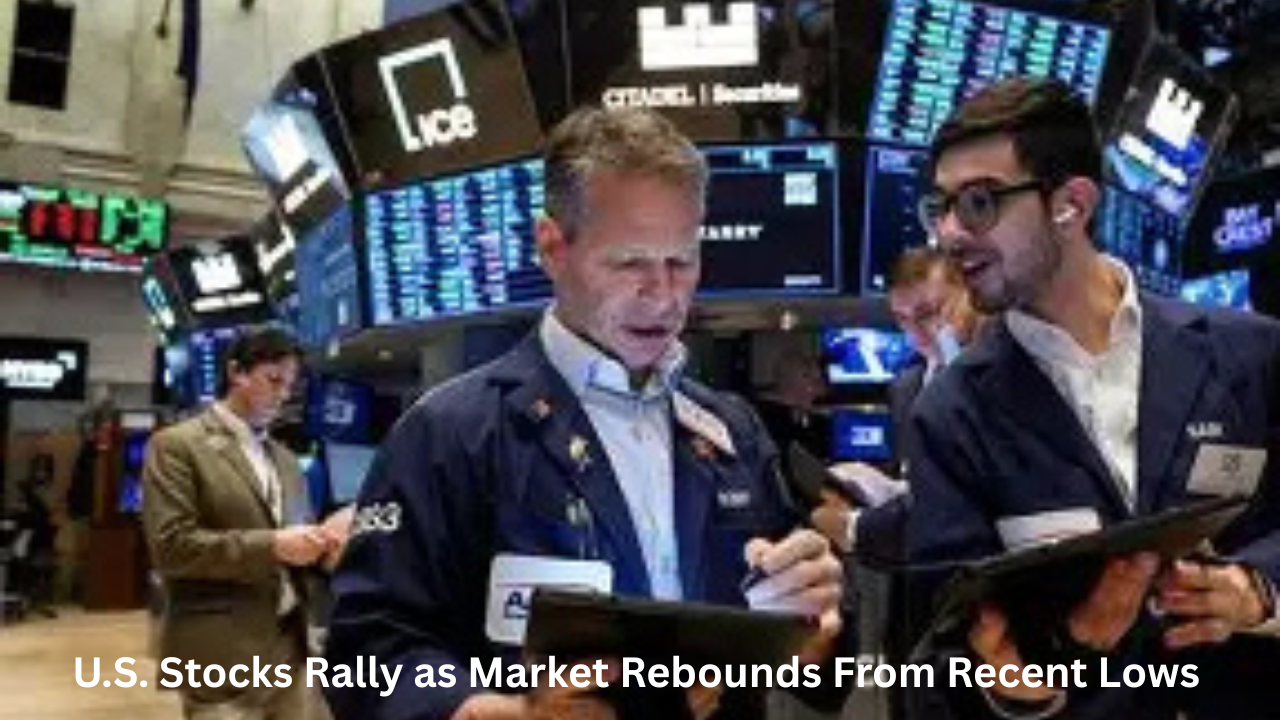
This week, there wasn’t a clear trend in U.S. stocks because investors were trying to figure out what different signals from the tech sector, company earnings, and new economic data meant. There have been instances when pockets of strength have lifted the overall market, but there has been constant pressure on mega-cap tech firms, which has kept people wary, especially with Nvidia’s highly anticipated earnings release coming up.
On Tuesday night, U.S. stock futures were little changed, reflecting the hesitation gripping Wall Street. Futures tied to the Dow Jones Industrial Average slipped 0.1%, while S&P 500 futures dipped 0.2%. The Nasdaq 100 declined 0.3%, driven by renewed selling in heavyweight tech shares.
The weakness in U.S. stocks extended earlier losses. Both the Dow Jones Industrial Average and S&P 500 registered their fourth straight negative session, marking the S&P 500’s longest losing streak since August. The Nasdaq Composite also fell for the fifth time in six sessions, underscoring just how fragile tech sentiment has become.
Even alternative assets appeared volatile, with Bitcoin briefly falling below $90,000, although it later recovered. Gold, meanwhile, rose from a one-week low, signaling a modest shift toward safer assets.
Tech Stocks Remain Under Pressure
Most sectors in the market ended Tuesday higher, but tech once again dragged down U.S. stocks. Prominent AI-linked shares such as Nvidia, Palantir, Microsoft, and AMD closed in the red, reflecting a broader pullback. The Technology Select Sector SPDR Fund (XLK) fell 1.6%, extending the month’s weakness.
Technology and consumer discretionary stocks have been the worst-performing sectors this month, while health care has emerged as a rare bright spot. Analysts say the tech pullback is hardly surprising considering the sector’s massive gains this year. Still, the timing is significant—especially with Nvidia’s report approaching.
Sonu Varghese, global macro strategist at Carson Group, noted that tech’s volatility is being amplified by concentration risk. Many investors hold portfolios heavily tilted toward AI-related stocks, making them more sensitive to pullbacks.
“Despite the big gains, investors with concentrated portfolios remain on edge,” Varghese said, adding that the rush to diversify during sell-offs can intensify short-term declines.
Suggested News//US Stock Futures Slide as Rate-Cut Doubts Hit Wall Street Again
Eyes on Nvidia’s Earnings as AI Rally Faces a Key Test
The next major catalyst for U.S. stocks is Nvidia’s third-quarter earnings, due after Wednesday’s market close. Nvidia is now the largest company in the S&P 500, and its results have outsize influence on market direction.
Analysts broadly expect Nvidia to beat Wall Street expectations and project strong forward guidance due to soaring demand for AI chips and infrastructure. However, that optimism comes with risk. Investor expectations are so high that even a modest miss—or conservative outlook—could spark another round of selling across the AI sector.
Recent profit-taking suggests that investors worry the AI boom may have pushed valuations too far, too fast. Nvidia’s report may either re-ignite the rally or confirm that a cooling period is underway.
Market Bright Spot: Oracle’s Big Rally Lifts the S&P 500
While tech struggled early in the week, Thursday brought some relief as U.S. stocks closed higher, helped by a powerful rally in Oracle. The S&P 500 gained 0.38%, closing at 6,045.26, and is now less than 2% below its record high. The Nasdaq Composite added 0.24%, while the Dow rose 101.85 points.
Oracle shares surged 13% after reporting strong fiscal fourth-quarter results that beat expectations. CEO Safra Catz said that due to sustained AI demand, Oracle’s cloud infrastructure revenue is expected to grow more than 70% in fiscal 2026, up from 52% growth in the recent quarter. The sharp rise helped the tech sector as a whole, which was under pressure from other mega-caps.
Investor Nancy Tengler also said she was confident in Oracle. She said that the stock is still appealing because the dividends are growing by 10–12% every year, even after the rise. She talked about the company’s cloud plan and how it bought Cerner, which makes Oracle even stronger in health tech and AI-driven patient care innovation. Economic Data Provides Support as Inflation Cools
U.S. stocks also drew support from new inflation data. The Producer Price Index (PPI) for May rose just 0.1%, beating expectations of 0.2%, and easing concerns after April’s 0.2% decline. Bond rates went down after the report, which shows that people are more confident that inflation will stay under control.
But there are still big global and trade risks. President Donald Trump’s renewed tariff threat kept markets from breaking out further. Even though the administration hinted that dates for tariff decisions might be flexible, investors are still worried about the future of trade talks, especially between the U.S. and China.
Analysts at BCA Research warned that even if tariffs ease, U.S. stocks may not have much upside because markets are already priced for strong earnings and economic resilience. Without fresh catalysts, new all-time highs may be difficult to achieve.
Recession Risk Declines, but Holiday Season Could Disappoint
Economists at Goldman Sachs lowered their 12-month lowered the chance of a U.S. recession from 35% to 30%, noting better financial conditions, lower inflation, and less uncertainty about tariffs. They think that the GDP will grow by only 1.25 percent in 2025 and that the Fed might lower interest rates in December, based on how the economy is doing.
Still, not all analysts are upbeat. Investor Dan Niles warned of a potentially weak holiday season, saying that earlier consumer stockpiling due to tariffs could reduce demand later in the year. Companies dependent on holiday sales—such as Apple and other electronics makers—could feel the impact.
Conclusion: U.S. Stocks Caught Between Tech Volatility and Economic Optimism
The U.S. stock market is moving through a highly mixed environment. Cooling inflation and selective corporate strength are supporting the indexes, while tech volatility, high expectations for AI leaders like Nvidia, and ongoing tariff uncertainties are keeping markets from gaining consistent momentum.
As investors await Nvidia’s results, the next major move in U.S. stocks may hinge on whether the AI boom confirms its staying power—or shows its first signs of fatigue.